
Deep Dive
来自我们记者的行业洞察

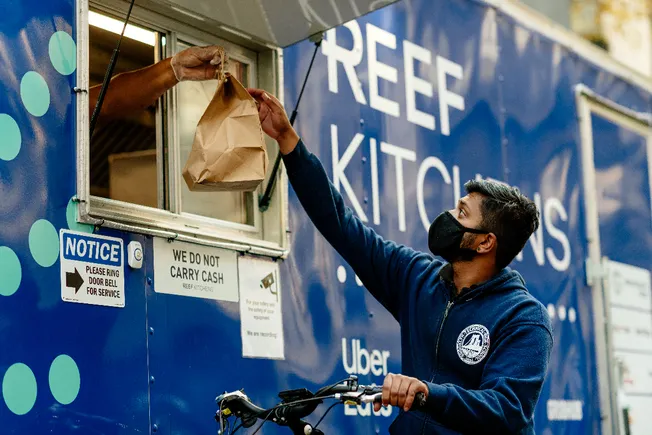
Reef Ghost Kitchen Expansion Plagued by Licensing and Health Inspection Violations
Reef Technology, a leader in the ghost kitchen sector, faces severe regulatory challenges to its expansion plans. In Florida, 58 of 61 inspected kitchens violated health and safety regulations, 21 had high-risk violations, and 2 were forced to close due to sewage leaks. Similar issues have also emerged in Chicago, Houston, and New York. Although Reef claims its business model does not align with existing regulations, regulators have identified multiple violations. Meanwhile, Reef still plans significant expansion, partnering with brands like Wendy's and TGI Fridays to open thousands of ghost kitchens.
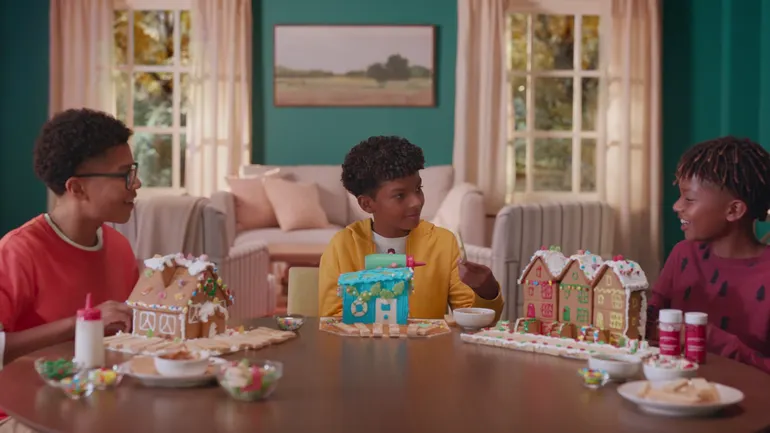
How Brands Can Make Inclusive Holiday Marketing More Than Just 'Inspirational Consumption'
After the socially distanced holiday season of 2020, brands are re-centering their marketing around gift-giving and togetherness. Starbucks, Target, and others are putting diversity and inclusion (D&I) at the forefront, responding to growing consumer demand. Industry experts caution that marketing must achieve genuine inclusion across dimensions like race, religion, family composition, age, and disability, and must align internal diversity practices with external advertising to avoid superficial gestures like 'inspirational consumption.'
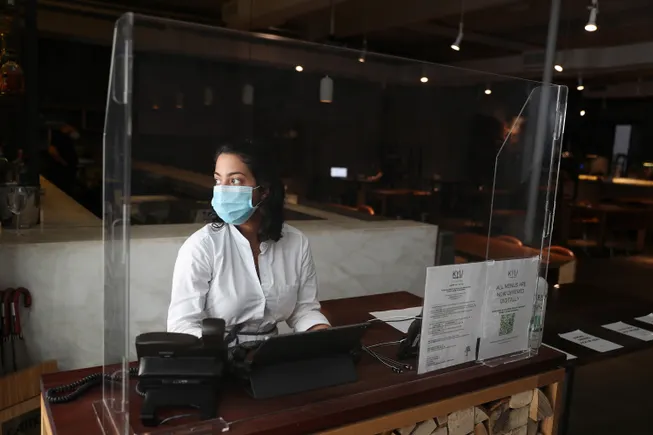
Franchise Expansion in 2022 May Be Constrained by Capital Shortages and Legislative Restrictions
This article is the last in a four-part series exploring the restaurant franchising boom over the past 22 months. Experts believe that despite optimistic growth prospects for franchising in 2022, capital shortages, legislative restrictions (such as the PRO Act and California AB5), and economic uncertainty may constrain the pace of expansion.
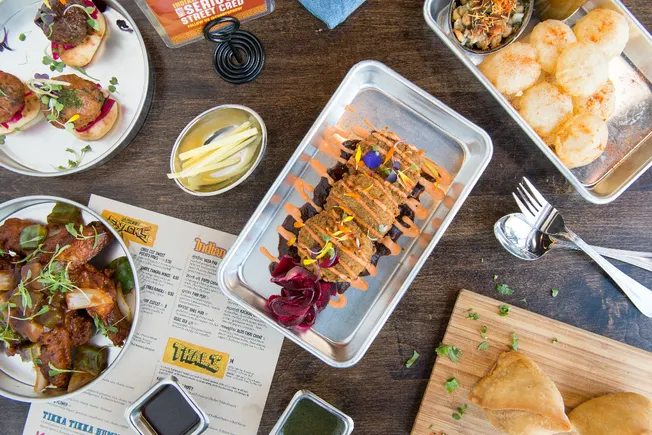
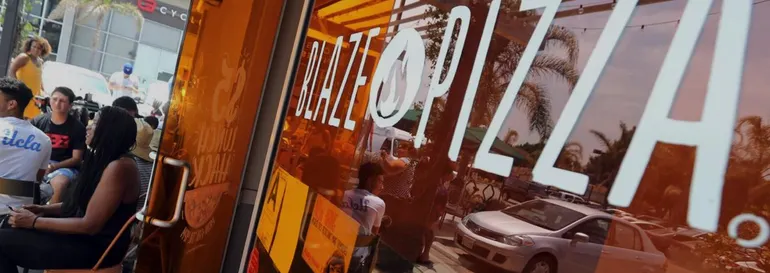
Why Are Franchisees Accelerating into the Fast Casual Track? The Logic Behind It
Over the past 22 months, the U.S. restaurant franchising sector has seen a surge in expansion. The fast casual segment, driven by digital capabilities, product quality, and real estate dividends, is attracting a wave of both new and existing franchisees to increase their presence. This article is the second in a four-part series, analyzing the appeal of this segment.
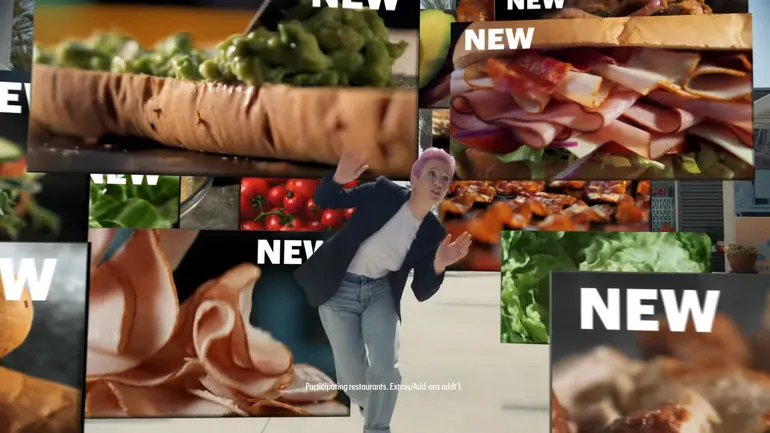
How can fast food franchise systems balance new brand marketing requirements with franchisee interests?
In the restaurant franchise system, there is often tension between headquarters and franchisees regarding marketing demands: the former pursues brand building, while the latter focuses on store sales. The pandemic and the digital wave have intensified this contradiction. This article, drawing on insights from industry figures such as Fransmart CEO Dan Rowe and Five Guys CMO Molly Catalano, analyzes the impact of national marketing campaigns on franchisees and introduces practical cases such as Five Guys' use of tools like Local Hero to empower franchisees and balance the interests of both parties.
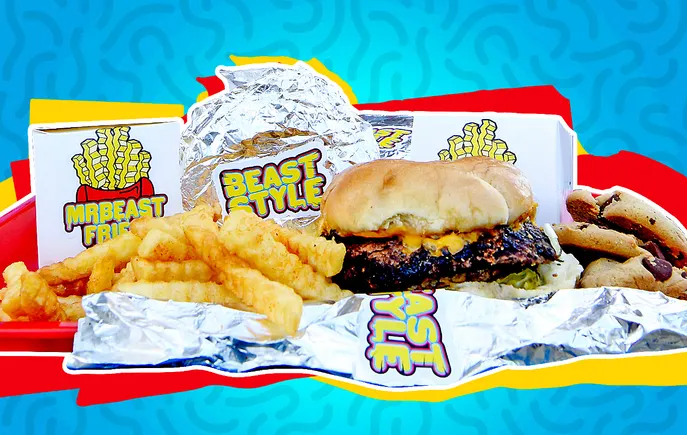
How Host Kitchens Drive Virtual Brands Forward
This article is the third in a series on host kitchens and virtual brands, focusing on how virtual brands leverage the host kitchen model for rapid expansion. Using MrBeast Burger as an example, it analyzes the strategies behind its success and operational challenges, and interviews multiple industry experts to discuss the sustainability, transparency issues, and future evolution of virtual brands.
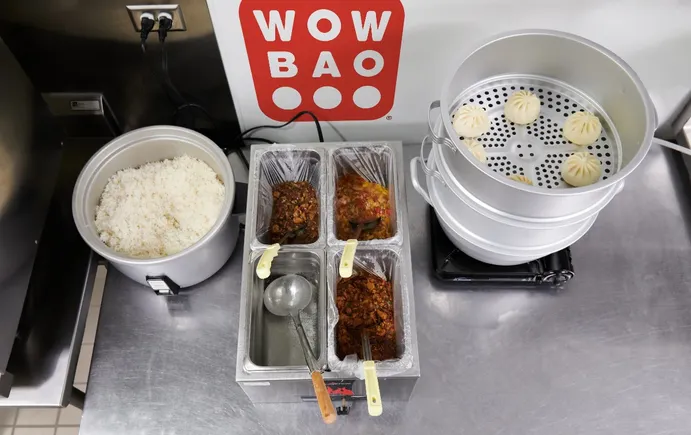
Leveraging "Host Kitchens" for Expansion: What Do Restaurant Brands Need to Know?
The host kitchen model is becoming a new path for rapid expansion of restaurant brands. Wow Bao opened 53 new locations in a single day through this model, and Nathan's Famous has deployed 235 delivery kitchens. This article analyzes the model's growth potential, brand consistency challenges, and partner selection strategies.
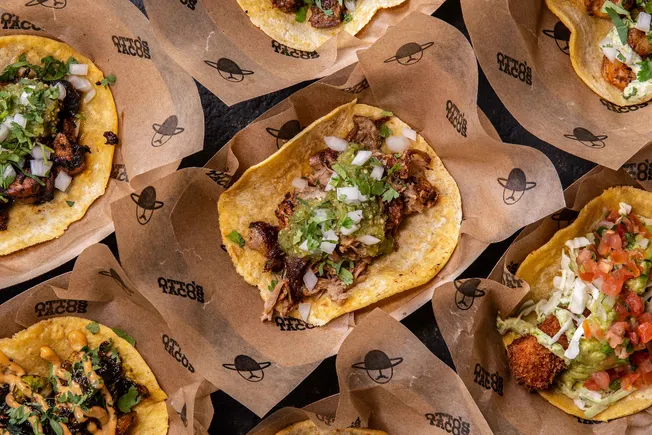
New Revenue Recipe: Why Restaurants Are Turning into 'Host Kitchens'
Manhattan barbecue chain Mighty Quinn's brought Otto's Tacos, which had closed due to the pandemic, into its back kitchen, achieving takeout brand production with minimal capital investment and launching a host kitchen partnership. This model requires no additional rent or significant labor, and is becoming a new strategy for the restaurant industry to cope with uncertainty. Experts predict that by 2025, more than half of U.S. restaurants will sell multiple brands.