
Taco Bell-linked cyclosporiasis outbreak expands to four new states
The latest update from the U.S. CDC indicates that the cyclosporiasis outbreak linked to Taco Bell has spread to nine states, with four new states added: Illinois, Kansas, Oklahoma, and Pennsylvania. As of July 24, a cumulative total of 1,947 cases have been reported, and the source investigation points to Mexican iceberg lettuce from Taylor Farms.
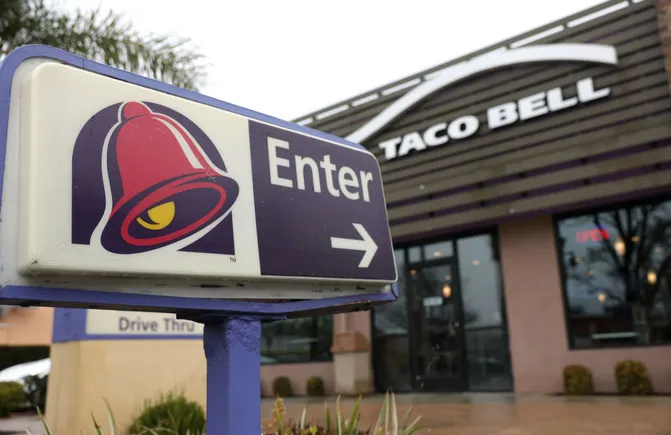
The U.S. Centers for Disease Control and Prevention (CDC) announced last week that it has linked cyclosporiasis infections in Illinois, Kansas, Oklahoma, and Pennsylvania to Taco Bell. Earlier this month, the agency had linked cases in Indiana, Kentucky, Michigan, Ohio, and West Virginia to the chain. To date, at least 1,947 consumers across nine states have reported exposure to Taco Bell and infection with this parasitic diarrheal illness.
Confirmed cyclosporiasis cases linked to Taco Bell
As of July 24, the CDC and the U.S. Food and Drug Administration (FDA) confirmed 1,947 cases of cyclosporiasis linked to the chain.
The CDC said the total number of outbreak cases "includes people who became ill after traveling to an outbreak state and eating at Taco Bell in the two weeks before their illness began."
The FDA has issued recall notices for several Taylor Farms products containing iceberg lettuce, distributed to 27 states between June 29 and July 16. Taylor Farms voluntarily removed all its iceberg lettuce sourced from Mexico from U.S. store shelves, despite at least one lettuce sample it provided to federal regulators testing falsely positive. This situation has complicated efforts to trace the outbreak's source and communicate information to the public.
According to the CDC's statement, the FDA's investigation focuses on shredded iceberg lettuce from Taylor Farms de Mexico used by Taco Bell as a potential source of the outbreak. Nevertheless, the FDA said on July 17 that "not all Taco Bell locations in these states received shredded iceberg lettuce from the same supplier."
Additionally, the CDC is still "investigating other cyclosporiasis outbreaks and cases nationwide that are not related to this outbreak," raising the possibility of further supply chain disruptions and reputational damage to other restaurant brands.
The scale of the 2026 cyclosporiasis cluster outbreak is striking: as of July 24, more than 11,500 confirmed or suspected cases had been reported. In comparison, during the same period in 2025 (through mid-July), the CDC had reported only 249 cases of cyclosporiasis.
Confirming infection with the cyclospora parasite requires considerable time and testing, meaning the CDC's case numbers may be conservative. Michigan is the hardest-hit state in this outbreak; as of July 24, the state's health department recorded 8,176 cases, while the CDC's upper estimate for the state was 2,100 cases. Federal confirmed numbers are also lower elsewhere. For example, the CDC's upper estimate for New York state is 300 cases, while the New York City health department reported 447 confirmed cases between May 1 and July 20.
Although both Taylor Farms and Taco Bell have removed the potentially contaminated lettuce, both companies already face lawsuits from several consumers who fell ill during this outbreak.
Symptoms of cyclosporiasis typically appear two days to two weeks after consuming contaminated food or water, but the CDC says symptoms may not appear until more than two weeks after infection.
Some Taco Bell restaurants in Michigan confirmed to Restaurant Dive on July 10 that they had stopped serving lettuce, but the chain said its voluntary removal of potentially affected lettuce was completed by July 17, meaning new cases could continue to emerge into early August.