
Cyclospora outbreak triggers wave of lawsuits: Taco Bell faces multiple claims
Following federal authorities linking shredded lettuce served by Taco Bell to a Cyclospora outbreak, the company and its supplier Taylor Farms are facing multiple lawsuits. The CDC reports over 4,100 confirmed cases, with lawsuits alleging negligence, false marketing, and product liability.
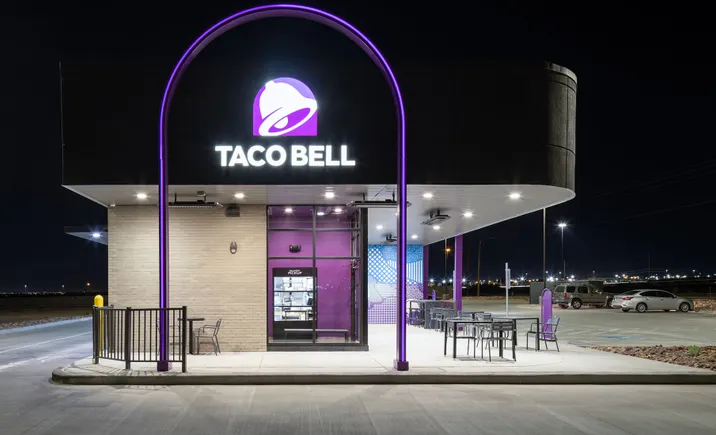
Several lawsuits have been filed days after federal health agencies linked shredded lettuce served at Taco Bell to an ongoing cyclosporiasis outbreak.
Taco Bell faces at least three lawsuits, a franchisee is being sued in a separate case, and supplier Taylor Farms faces at least four cases, according to court records and plaintiff press releases.
As of Wednesday, the U.S. Centers for Disease Control and Prevention reported more than 4,100 laboratory-confirmed cases of cyclosporiasis, a parasitic diarrheal illness, with another 7,400 cases requiring further investigation.
The public health agency is "investigating multiple clusters of cyclosporiasis cases, including one multistate outbreak linked to iceberg lettuce affecting 5 states," meaning there may be parasitic disease outbreaks not causally linked to Taco Bell.
Lawsuits allege negligence, deceptive marketing, and personal injury
The lawsuits, filed since July 17, seek various remedies for the alleged illnesses.
Null v. Taylor Farms and Taco Bell, filed in California, is a class action that is an "economic loss case rather than a personal injury case," seeking compensation for money consumers spent at Taco Bell on food that could make them sick.
Granados v. Taylor Farms, also filed in California, alleges the plaintiff "purchased defendant's products from Sweetgreen, Costco, and other establishments during the relevant period" and seeks damages for the lettuce purchases.
Sweetgreen CEO Jonathan Neman said in a LinkedIn post on Wednesday that none of the chain's products have been linked to the outbreak.
Both California lawsuits claim Taco Bell and Taylor Farms acted negligently, sold worthless products, and violated laws regarding marketing and business practices.
"(Taylor Farms) promoted and advertised the product as fit for human consumption," the Granados complaint states. "In reality, defendant's advertising and marketing were deceptive, false, and misleading because the product was or may have been contaminated with cyclosporiasis and therefore was not as advertised, represented, or warranted."
Three of the cases—one against Taco Bell, one against the chain and Taylor Farms, and another against Taco Bell franchisee Pacific Bells and unnamed suppliers—revolve around product liability and alleged breach of warranty. Plaintiffs claim they became ill from eating Taco Bell products and seek damages for cyclosporiasis-related harm, including lost work and physical and mental suffering.
In one of the liability suits, Parrish v. Taco Bell, the plaintiff claims food served by the restaurant caused illness and injury and was "defective because it contained cyclosporiasis, a potentially deadly pathogen, and was unreasonably dangerous under normal and anticipated use."
Contamination may have occurred before lettuce reached Taco Bell
Amira Roess, a professor of global health and epidemiology at George Mason University's College of Public Health who previously worked at the CDC, said parasites typically enter the supply chain when food comes into contact with water contaminated with human feces containing cyclosporiasis during irrigation or processing.
William Marler, a partner at food safety law firm Marler Clark, said such contamination, which can occur early in the product's life cycle, means Taylor Farms shares responsibility with Taco Bell for consumers' illnesses.
"By the time the lettuce reaches the Taco Bell on Gratiot Avenue, the problem has long since occurred upstream in the supply chain. That's why we're suing the grower, the processor, and the chain that supplied the food," Marler said in a press release.
However, the Parrish complaint states Taco Bell should be held liable because the chain "designed, managed, and controlled the national and regional supply chain through which its restaurants, including the Durand restaurant, were required to source produce and other ingredients, including the contaminated lettuce."
Roess noted that food production and processing are concentrated in a few companies controlling a small number of large facilities, meaning contamination events are more likely to cause large-scale outbreaks.
"Our food production is so concentrated that if one of these products is contaminated, and it happens to be a product that a third of the country is exposed to, that's the reason for a national outbreak," Roess said.
Neither Taco Bell nor Taylor Farms responded to requests for comment at the time of publication. Both companies issued statements within days of the FDA and CDC announcements linking the outbreak to iceberg lettuce.
On July 17, Taco Bell said it had proactively removed lettuce from an unnamed supplier linked to the outbreak. The brand said the move was voluntary.
Taylor Farms said on July 20 that it had "voluntarily recalled all iceberg lettuce grown in central Mexico and identified as a potential source of the cyclosporiasis outbreak" and was investigating potential sources of the outbreak. The FDA said a sample of Taylor Farms lettuce tested falsely positive for cyclosporiasis contamination, but the company remains under investigation.