
Foodservice marketers under pressure: How can digital layout break the deadlock?
Under multiple pressures such as the pandemic, labor, supply chain, and inflation, the foodservice industry's marketing departments face the dual challenges of budget cuts and digital transformation. This article explores trends in digital ordering, first-party data acquisition, brand partnerships, and industry M&A, citing insights from several industry executives to provide coping strategies for foodservice marketers.
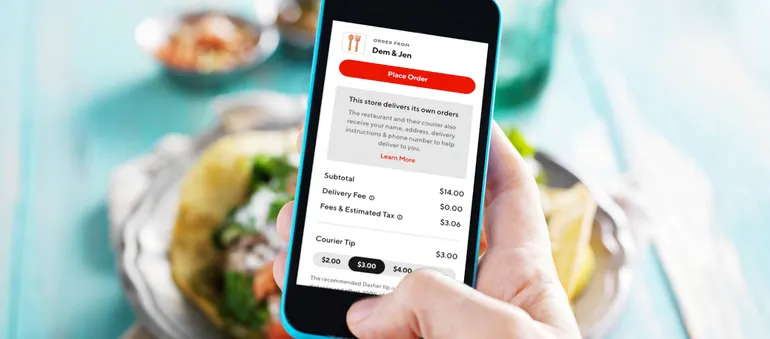
Entering the new year, the restaurant industry has not only yet to shake off the aftermath of the pandemic, but also faces labor shortages, supply chain strains, and inflationary pressures, all of which impact marketing efforts. Although all industries are under pressure, the restaurant industry also faces intensified competition from ghost kitchens and third-party platforms, making digital strategies more critical than ever.
Amid pervasive cost pressures, brands are seeking mergers and acquisitions that can help them better meet consumer and market demands. For restaurant marketers, 2022 will be a year of heightened pressure, requiring delivery of results in digital frontiers such as media, ordering, and loyalty programs.
Digital Ordering: From Emergency Option to Survival Strategy
Digital ordering is one of many trends accelerated by the pandemic and remains a focus for the restaurant industry in 2022, but its role has shifted from being the only ordering method in the early pandemic to a key means of sustaining operations amid shrinking profit margins.
"Inflation and labor pressures are very real, so marketers will be asked to actively drive digital ordering," said Dennis Becker, CEO of mobile marketing provider Mobivity. "This will become a major priority for marketers."
Both Blanchette and Becker noted that Domino's Pizza is a leader in digital transformation. The pizza chain plans to adjust its promotional strategies to drive digital ordering, addressing labor shortages and what CEO Ritch Allison called "unprecedented increases in food costs," according to CNBC. At the same time, the chain is working to steer some business to its own channels, reducing reliance on third-party delivery services that further erode profits.
Before the pandemic, restaurant marketers had already developed mobile apps focused on loyalty programs. The digital ordering shift triggered by the pandemic is technically far more complex than loyalty programs. This year may be the time for restaurant brands to reassess their apps and digital capabilities, determining which features are effective and their impact on business outcomes. They also need to determine whether their digital offerings are compelling enough for consumers to download, use, and stay engaged in an era where most people use fewer than ten apps daily.
"There are brands that were digitally positioned before the pandemic and benefited from it, like Sonic, Chipotle, and Wingstop, which were already fully invested in digital," Becker said. "Many other brands, however, had to 'build the plane while it was falling off a cliff.'"
The divide between early adopters and brands that rely on the broader technology support industry is an existing trend that may accelerate this year. For example, Yum Brands acquired the AI division of performance marketing company Kvantum and conversational commerce developer Tictuk Technologies; McDonald's, meanwhile, sold Dynamic Yield, the AI company it acquired in 2019, to Mastercard, indicating that its bet on personalization through M&A did not fully pay off.
Building Relationships and Acquiring Data
Digital ordering not only helps restaurants cut costs and drive sales, but also aligns with another marketer priority—first-party data acquisition, where the restaurant industry faces unique challenges. As the entire marketing world grapples with the loss of mobile identifiers and changes to third-party cookies, restaurant marketers also face a scarcity of first-party data due to the rise of third-party delivery services.
"The hardest thing for this industry is owning your data, because third-party delivery has surged over the past few years," said Robin Blanchette, CEO of Norton. "We can't get the data, and I think that's a huge disadvantage. If you don't know who your customers are, you can't market to them."
"The hardest thing for this industry is owning your data, because third-party delivery has surged over the past few years."
—Robin Blanchette, CEO of Norton
Given this, restaurant brands may more aggressively pursue not only digital orders but also user acquisition and digital relationship building, bringing consumers into their first-party databases. As brands across industries work to build and leverage these databases, affinity marketing may increase, with restaurant brands seeking partnerships with platforms that own their own first-party data, especially in growth areas like gaming.
The first phase of this relationship is already unfolding in the restaurant industry, with Chipotle and McDonald's exploring brand opportunities on platforms like Twitch and Roblox and with partners like FaZe Clan. Becker explained that deeper integration—where consumers buy a sandwich in a virtual world and redeem it at a physical restaurant—may follow.
"The next phase is earning McDonald's loyalty points while playing Candy Crush," he speculated.
Other Pressures and Big Solutions
Beyond the general pressures facing the economy, traditional restaurant marketers continue to face challenges from delivery and third-party delivery services that want consumers to build relationships with the platform rather than the brand (for example, Uber Eats wants consumers to buy a burger, not a Five Guys burger).
"Even large chains can't invest as heavily in marketing as some private equity-backed companies, because they're all trying to buy market share to secure the next round of capital," said Dan Rowe, CEO of franchise development company Fransmart. "It's a different competitive landscape."
Restaurant brands still face the major challenge of ghost kitchens—facilities without customer dining areas that could become a $1 trillion global market by 2030. But Rowe noted that the initial selling point of ghost kitchens early in the pandemic—that full-service and fast-casual restaurants couldn't handle delivery well—has weakened as brands like Panera continue to optimize digital and delivery operations.
Nevertheless, the many pressures facing the restaurant industry—pandemic, labor, supply chain, inflation, and third-party delivery—may make M&A more attractive to parent companies. After seeing major deals in recent years like Inspire Brands' $11.3 billion acquisition of Dunkin' and Restaurant Brands International's $1 billion acquisition of Firehouse Subs, the industry may be at the "tip of the iceberg" of consolidation, said Becker of Mobivity, which has implications for marketers.
"Marketers will start thinking more broadly about consumers," he said. "In the past, it was about competing for 'share of stomach' against other brands... Now with so many brands under the same parent company, they may want to leverage that."
Whether acting alone or in collaboration, restaurant marketers face a heavy task in 2022—and perhaps that's the opportunity they are best equipped to handle.
"We come from a background of carrying plates, mopping floors, making sure hot food is hot and cold food is cold," said Blanchette of Norton. "As marketers in this industry, people expect us to: be where our customers are and do our best to help."
