
The Chain Reaction Behind Red Lobster's Bankruptcy: A Real Estate Deal
Red Lobster's bankruptcy was not solely due to the 'Endless Shrimp' promotion; its financial troubles can be traced back to a sale-leaseback transaction in 2014. This article analyzes how the real estate deal, management changes, and supplier disputes collectively led the seafood chain giant to bankruptcy reorganization.
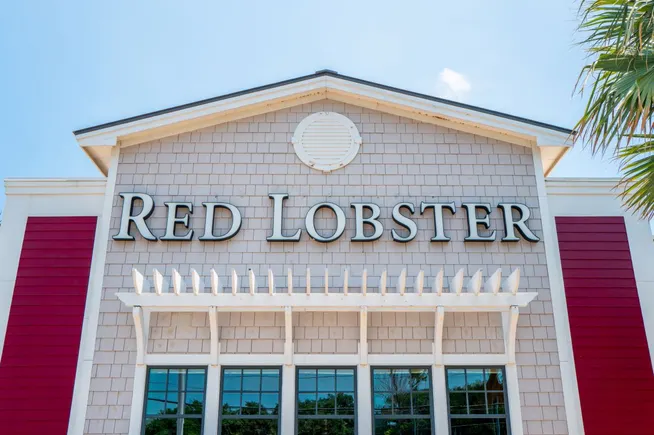
When customers flocked to Red Lobster to enjoy the chain's "Ultimate Endless Shrimp" promotion, losses continued to mount despite the surge in traffic. Many blamed the failed promotion for the restaurant chain's bankruptcy, but its financial decline actually began a decade earlier.
In 2014, Golden Gate Capital acquired Red Lobster from Darden Restaurants for more than $2.1 billion, promising to expand the chain. Golden Gate then sold and leased back Red Lobster's owned real estate for $1.5 billion. Suddenly, a company that previously paid no rent had to take on a significant additional cost, which was expected to increase by 2% annually.
"That real estate deal was the beginning of when the economics started to deteriorate," said Phil Kafarakis, president and CEO of the International Foodservice Manufacturers Association.
According to Red Lobster's bankruptcy filing, rent costs exceeded $190 million last year, with $64 million of that going toward underperforming restaurants. The seafood giant also reported a net loss of $76 million, and its cash reserves shrank from $100 million to less than $30 million within six months, making its leases unaffordable.
A string of management changes also compounded the difficulties. Red Lobster adapted to new ownership after Thai Union Group, a global seafood supplier, acquired a 49% stake from Golden Gate Capital in 2016. Seafood Alliance, an investor group led by Thai Union, acquired the remaining stake in 2020. Red Lobster also experienced frequent CEO turnover. The chain said it is investigating potential improper dealings with Thai Union, which allegedly pressured Red Lobster to buy its shrimp products in the "Ultimate Endless Shrimp" deal.
It is not uncommon for equity holders to also serve as suppliers to the restaurant, said Jeff Cohen, partner and chair of the bankruptcy and restructuring department at law firm Lowenstein Sandler.
"I think the allegation that Thai Union exerted undue influence over Red Lobster management's decisions to buy more supply from them, potentially at above-market prices, that's the problem," Cohen said.
It remains unclear whether this dispute will lead to litigation. Cohen said that if Red Lobster can find alternative suppliers with competitive pricing, the chain could potentially sue Thai Union over its previous conduct. But if Thai Union is critical to Red Lobster's supply chain and not easily replaced, the situation "strongly suggests a settlement," because prolonged litigation would be too costly and disruptive to restaurant operations.
"Thai Union has been a supplier to Red Lobster for over 30 years, and we intend to continue that relationship," a spokesperson for Thai Union Group said in an email to Restaurant Dive. "We believe the court-supervised process will allow Red Lobster to restructure its financial obligations and realize its long-term potential in a more favorable operating environment. We note the baseless allegations in the bankruptcy court filings and look forward to presenting the full facts."
"If you strip away the soap opera elements of the first-day filings, there is still a business there," Cohen said. "Red Lobster still has a reason to exist. There are clearly still profitable locations. I just think they need to use the Chapter 11 process to streamline the company down to its core profitable locations and fix operations, including those related to all the supply issues with Thai Union."

Red Lobster's problems offer some warnings for the industry
Although analysts expect more bankruptcies this year, Red Lobster's collapse does not represent the overall health of the restaurant industry.
Kafarakis remains optimistic about the industry. He said operators are quickly adapting to changing consumer dynamics and running leaner locations, which helps franchisees manage their real estate, revenue, and growth.
"If Red Lobster said customers aren't coming, numbers are way down, that's not sustainable... but that's not the case," Cohen said. "What they're saying is people came in and basically ate us out of business."
Cohen said Red Lobster was overleveraged and made poor management decisions, adding that its bankruptcy does not reflect the state of the entire industry.
"I don't think this is a sign of an industry-wide problem," Cohen said. "I think this is a special situation."
However, Red Lobster does offer some cautionary signals.
"Companies are at a point where they have to perform without low interest rates or COVID money that didn't have to be repaid," said Victor Sahn, bankruptcy and restructuring partner at Greenspoon Marder.
Sahn said bankruptcy can affect companies of all sizes, but is more likely to impact mid-to-large chains, as smaller restaurants may simply close and liquidate.

Why bankruptcy was necessary
According to court documents, before filing for bankruptcy, Red Lobster attempted to restructure out of court, with its pre-petition term lenders set to own 80% of the company and Thai Union holding a minority stake, but those negotiations were unsuccessful.
Red Lobster had secured a $20 million incremental working capital loan, but Thai Union stopped funding Red Lobster earlier this year. Without Thai Union's support, Red Lobster's lenders were no longer willing to provide loans out of court, according to court documents.
"Given the lack of an effective ability to raise new capital, the company clearly needed to consider Chapter 11 proceedings," CEO Jonathan Tibus said in court documents. "Therefore, the debtors determined that a comprehensive operational restructuring and value-maximizing sale within Chapter 11 proceedings may be the best option under the circumstances."
According to court documents, Red Lobster will emerge from bankruptcy with fewer locations, leaner operations, and new owners.
Red Lobster may also seek to streamline its menu and evaluate its core offerings, because the broader the menu, the more suppliers and vendors the chain needs, said Kevin Clancy, global director of restructuring and dispute resolution at CohnReznick Advisory.
But Cohen said the post-bankruptcy look of Red Lobster will not be surprising. Typically, when evaluating a retailer or restaurant chain, locations are divided into three categories: highly profitable, marginal, and unprofitable, Cohen said.
Red Lobster will consider many factors when evaluating each location, including location and traffic patterns. Is it in an office area where lunch traffic has largely dried up, or is it in a shopping mall? If it has multiple landlords across multiple locations, negotiating leases may be easier than doing so one by one, Clancy said.
The bankruptcy process will allow the company to reject leases, and landlords will then file claims in bankruptcy, Clancy said. At other times, debtors will attempt to renegotiate leases, which can be helpful if landlords believe they cannot find better tenants to fill the space.
Cohen expects more closures as Red Lobster evaluates marginal locations, potentially as many as 100 or more. After the second round of closures, the company will be left with hundreds of highly profitable locations that can succeed with operational reforms and cost-saving measures, he said.
As a leaner company, Red Lobster may attract interest from large restaurant portfolio companies, such as its former owner Darden, Cohen said.
It could also attract interest from Landry's, which has previously acquired chains like Houlihan's and The Palm out of bankruptcy. Landry's also owns most of its supply chain, making it easier to replace suppliers like Thai Union.
"I wouldn't be surprised if one of these large restaurant groups expressed interest," Cohen said. "The question is just under what conditions the existing lenders are willing to give up the company, and at what price."
For Sahn, an outside buyer is possible but unlikely. Before bankruptcy, Red Lobster hired an investment bank to market the chain for sale, but no one was willing to buy at a price that would satisfy the asset-backed debt.
"The possibility is slim because they already marketed the assets," Sahn said. "The marketing was not successful. That's why they proposed the lenders as buyers. I think they always thought this would happen."
Sahn said the most likely scenario is that secured lenders convert debt to equity and become the sole owner of the company.
"This is very similar to many cases over the past five to ten years, where a pre-arranged business solution was developed, documented, and agreed upon before the bankruptcy filing," Sahn said. "The purpose of bankruptcy is just to execute the business plan they had already developed and finalized or nearly finalized before filing."