
Consumer-Led Redefinition of Dining Value: How Brands Respond to a Price-Sensitive Era
Since 2022, the restaurant industry has faced rising costs and economic pressures, prompting brands to launch value meals to attract customers. This article analyzes how consumers are reshaping dining value standards and how brands are responding in promotions, advertising, and cost control.
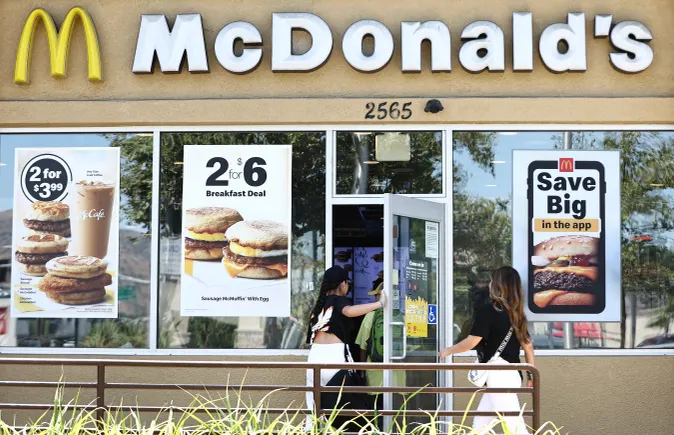
Since 2022, the restaurant industry has continuously faced the dual pressures of rising costs and a tightening economic environment, with major brands competing for customers. To attract diners, fromMcDonald'sto Chili's andApplebee'sand other chain brands have launched value meals, combo deals, and buy-one-get-one offers over the past few months to drive foot traffic.
Independent restaurants are also actively participating in promotions. According to data provided by SpotOn (sent via email to Restaurant Dive), independent restaurants added 3,250 combo meals during the summer, with the peak in new combos occurring between July 28 and August 10. Independent restaurants also added 210 buy-one-get-one (BOGO) items, with growth reaching 90% from the week of August 4 to the week of August 11. Unlimited menu and "all-you-can-eat" offers also grew by 30% during the same period.
"Whether the economy is good or bad, chain brands always launch some form of combo meal, which may be seasonal or value-based," said Kevin Bryla, Chief Marketing Officer and Head of Consumer Experience at SpotOn.
He noted that the post-pandemic situation is different. Consumers still want to dine out and value experiences, but restaurants have significantly raised prices in response to rising costs in recent years. However, operators cannot pass all inflationary pressures onto customers, and profits are under "unprecedented" pressure, Bryla added.
"I think brands launching BOGO offers or value menus hasn't really changed the essence of customers. What truly changes the essence of restaurants is the customers themselves," said Joe Yetter, General Manager at Par Technology.
Yetter said that price increases have raised the average check size for typical brands, but almost all brands are struggling with same-store traffic. "The economic environment and customers are influencing brands, and brands are responding with more offers," Yetter said. He observed that the most price-sensitive customers are tending to choose promotional deals.
Additionally, consumers are increasingly inclined to "trade down" when ordering—meaning a customer who might have ordered steak could switch to a burger the next day because it's an affordable option, Bryla explained. People still want to dine out, but resources are limited.
"Restaurants have seen and felt this, and are trying various creative ways to maintain customer loyalty," Bryla said. "It's a battle."
Although many chain brands have launched discounted meals, according to aRevenue Management Solutionssurvey of 860 participants in June, buy-one-get-one burgers were among the most popular options among customers. 13% of surveyed consumers said they were most likely to purchase a BOGO burger, while 8% chose value meals. However, households with incomes below $50,000 preferred a $5 burger and chicken nuggets combo, differing from the overall population's preference.

Drivers of successful value offers
Creating a value menu is just one step to attract consumers back—making attractive ads to drive foot traffic is another key element.
"While people may have plans for how often they dine out, where exactly they go is often uncertain," said Laura Grover, Senior Vice President and Head of Client Solutions at Edo Inc., which measures advertising effectiveness. "So, you have to occupy consumers' minds... breaking through the noise, resonating with consumers, and inspiring them to choose your restaurant is crucial."
Edo collects data on advertising campaigns across platforms, including streaming, and measures interactions such as searches and clicks on client websites via the Google Trends API.
According to Edo's findings, Applebee's "all-you-can-eat" campaign was one of the most successful cases, performing 45% above the casual dining category average; Chili's "3 for Me" combo exceeded the average by 35%. Grover explained that this means individuals exposed to these ads are more likely to search for these brands.
Although Chili's "3 for Me" is not a new campaign and has been around for a while, it "has always been a strong performer," Grover said.
The pizza category has taken a different approach in recent promotions because value has always been an inherent attribute of the category. Instead, pizza advertising focuses more on food and product innovation, Grover noted.
"If you visit any pizza brand's website, there's always some kind of offer, and I think that's deeply ingrained," Grover said. "New products stand out more easily because consumers know they can get a good deal."
Pizza Hut launched itsTavern Pizza campaignearlier this year, featuring athin-crust pizza style popular in Chicago. Grover said the campaign is one of the strongest pizza ads Edo has seen so far this year.
Other well-performing items include some relatively premium ingredients, such as shrimp dishes at Long John Silver's and Panda Express.
"It's almost a luxury purchase because seafood is typically more expensive," Grover said. "These offers make it affordable, becoming a treat you might not be able to enjoy frequently right now."

Value means more than just low prices
The RMS survey conducted in June showed that customers like free giveaways and prefer promotions like "buy one, get free chicken nuggets" and "one entrée, two sides, and a drink." High-spending customers tend to prefer promotions offering quantity discounts because they often share meals or spread them over multiple days.
Family dining and full-service concepts likeTexas Roadhousehave not adopted discounts like BOGO because they already offer good value for money and, as a result, are taking traffic from competitors and attracting new customers, Yetter said, thanks to their comprehensive value perception. The traffic these concepts attract often stems from special occasions, such as birthdays, date nights, or taking the family out for a nice meal, rather than the high-frequency visits that fast-food brands pursue.
Unlimited offerings like Olive Garden's "Never Ending Pasta" and unlimited breadsticks reflect more of a quantity value than a price point, Grover said. She added that "Never Ending Pasta" and unlimited soup, salad, and breadsticks performed above Olive Garden's advertising average, with "Never Ending Pasta" generating stronger engagement.
"Having a strong proposition that offers high-quality food at a reasonable price can also be a huge value component," Yetter said. "You could say Texas Roadhouse offers a value proposition similar to what McDonald's or fast-food brands drive, just for a different consumer group and in a different dining context."

Impact of value offers on restaurants
Operators also need to ensure they use the right ingredients at the right prices, not only to create value for customers but also to maintain profitability, Bryla said.
In the past few years, operators have shifted from evaluating ingredient prices monthly or quarterly to doing so weekly. As food prices fluctuate, restaurants must be more strategic, launching offers when ingredient prices are lower.
Crabby Daddy's in Missouri is a good example, Bryla said. The owner obtained crabs at a very low cost, enabling him to offer an "all-you-can-eat crab" deal. This adds value for consumers while keeping the restaurant profitable, Bryla noted.
"Understanding menu, inventory costs, and profitability is crucial," Bryla said. "Restaurants have always faced a dilemma: they love to delight customers and offer great deals, but if the restaurant isn't profitable, it won't be able to continue offering these deals and quality experiences six months or a year down the line."
Many of the value offers promoted in the summer were limited-time activities, and Bryla believes this strategy is crucial for pricing.
"Limited time is necessary, otherwise you just reset low price expectations and can't raise prices afterward," Bryla said. "So, limited-time offers attract customers in and build habits."
He added that the most valuable customers are loyal ones who keep coming back. "What determines a restaurant's success or failure is loyal repeat customers. I think a well-thought-out offer is a good part of the overall strategy."
How value drives traffic
Althoughearly summer offersdid drive traffic growth at chains like McDonald's, Buffalo Wild Wings, Chili's, and Starbucks, brands should not rush into value promotions.
Yetter suggests that every brand should test value offers or combos to see if they drive incrementality. This might mean testing in specific locations or markets to determine whether these programs bring in new customers, generate new spending, or simply cannibalize existing customers' spending and shift it to lower-priced offers.
Brands also need to understand the long-term value of these consumers, Yetter said. They need to determine whether value offers only drive trial or truly impact traffic during specific times (compared to other busy periods).
Not all offers are intended to drive incremental sales; some may simply encourage add-on purchases. For example, fast-food restaurants could offer significant discounts on desserts or chicken nuggets to attract customers in and get them to buy more menu items.
Bryla expects restaurants to launch more value promotions, especially those that genuinely appeal to customers.
Beyond attracting customers through these offers, restaurants also need to ensure customers have a good experience to encourage repeat visits.
"If you rely solely on offers without a surrounding strategy, it will be tough," Bryla said.
Correction: An earlier version of this article misstated Laura Grover's title. She is currently Senior Vice President and Head of Client Solutions at Edo Inc.