
Opinion
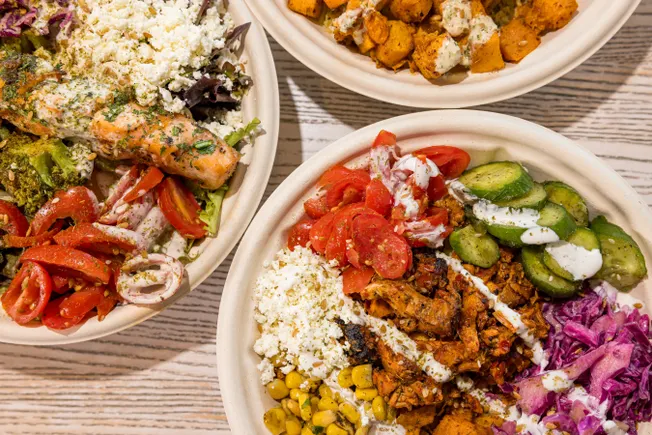
The future of restaurant growth is not a brand. It is a portfolio.
The U.S. QSR market is expected to reach $492 billion by 2026, but industry growth is shifting from traffic-driven to price-driven. Somia Farid Silber, CEO of Edible Brands, writes that the single-brand replication model is no longer suitable for market changes. Future restaurant growth will depend on operators' ability to build and manage multi-brand portfolios, emphasizing the importance of post-acquisition rebuilding, shared service boundaries, and disciplined expansion.

Restaurants can’t automate hospitality
The core of the restaurant industry lies in the experience brought by interpersonal interaction, not just the food itself. Although AI technology continues to permeate, about 80% of consumers still prefer human ordering. Combining industry experience and cases, this article points out that the correct application direction of AI is to optimize operations and free up employee time, thereby strengthening rather than replacing humanized service.
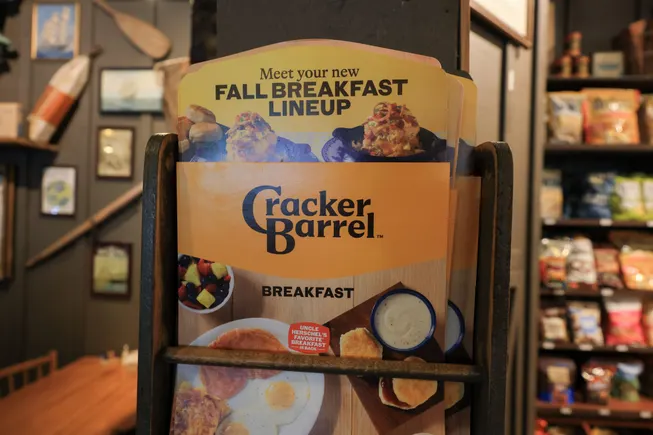
Cracker Barrel’s business recovered. The marketing story never did.
During her tenure, Cracker Barrel's former CEO Julie Masino drove a significant business recovery, but the public backlash over the logo change in August 2025 still dominates public memory. This article analyzes why negative narratives continue to outweigh positive performance and explores how brand leaders should manage such risks.

Quality without compromise: What restaurant operators really need in 2026
Foodservice operators are confronting multiple challenges from food costs, labor expenses, and competitive pressure, yet quality remains their top purchasing driver. The article points out that successful operators in 2026 no longer pursue complex products but seek solutions that balance trends, save labor, boost profitability, and ensure consistent quality. Product development must be operator-centric, progressing from trend identification and quality prioritization to multifunctional design, ultimately building a competitive advantage based on consistency.

Restaurants have never known more about their guests. So why are they losing them?
Toast and Resy data show that only 7% of regular customers contribute 50% of orders, while a Tillster survey indicates that 45% of American diners have changed their favorite restaurant in the past year. This article explores why loyalty is declining despite the restaurant industry having unprecedented data and loyalty systems, and points out that the key lies in translating data into frontline actions at the dining venue.

Why from-scratch cooking is a radical choice in 2026
In a guest article, Elise Russ, pastry chef at Clementine, argues that cooking from scratch in 2026 is shifting from an industry standard to an exception. She reflects on the golden age of hotel kitchens, analyzes challenges of cost pressures, skill transmission, and staff education, and emphasizes that while cooking from scratch is neither efficient nor cheap, it may be the most worthwhile choice for a restaurant.
Restaurant software was built by people who never worked a Friday night close
Starbucks quietly shut down its AI inventory system just nine months after launch. Most blame immature technology, but Temo Benidze, a 30-year restaurant veteran and founder of Orbis AI, believes the real issue is that the software adds burden to already overworked staff. He argues that the value of restaurant AI lies in reducing tasks and staying quiet, not in providing more dashboards.

Your financial tools aren’t built for your restaurant
Restaurant business failures often stem from a mismatch between financial tools and actual operational models. This article explores the pain points of financial management in the restaurant industry and proposes key criteria for selecting tools.
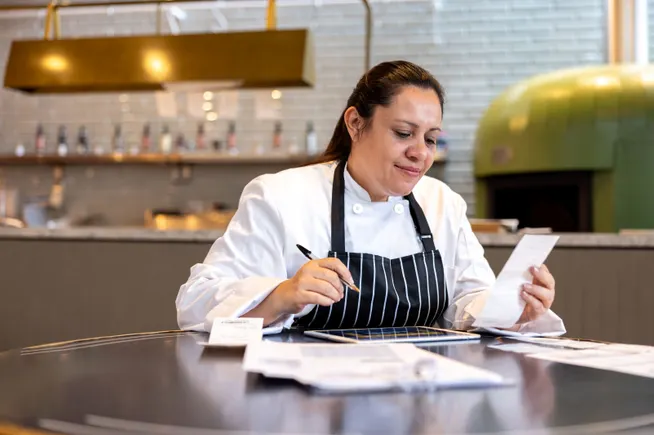
The restaurant industry’s real crisis isn’t food costs — it’s access to financing
The real crisis in the restaurant industry is not rising ingredient costs, but blocked financing channels. Traditional bank credit processes do not match the cash flow characteristics of the restaurant industry, causing many restaurants to be unable to obtain loans when they urgently need funds. This article suggests that alternative solutions such as equipment financing and credit lines may offer a way out.
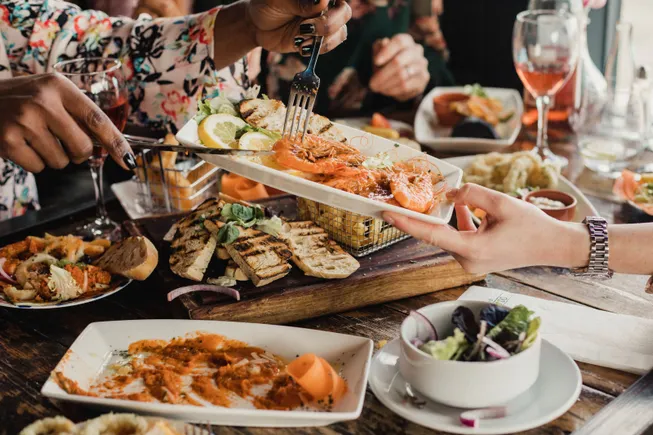
Who’s Hungry? What GroundTruth’s first-party data says about today’s restaurant visitors.
Dining consumption showed high resilience in 2025. GroundTruth's first-party traffic data reveals that seasonal changes significantly impact traffic, with autumn traffic increasing by 43% to 53.8% compared to winter; 95.4% of customers dine within 10 miles of their residence; high-frequency customers (more than 9 visits per month) contributed 640,000 visits. Despite the restaurant price index expanding to 4.1% during the year, dining-out behavior remained stable.