Deep Dive
来自我们记者的行业洞察

Restaurant tech execs warn against AI overdependence
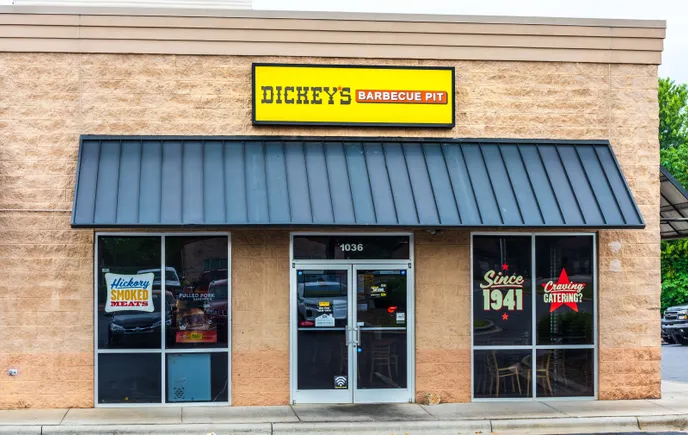
At the National Restaurant Association Show in Chicago, food technology leaders generally expressed concerns about over-reliance on AI, despite their enthusiasm for the technology itself. Executives pointed out that AI's costs, data limitations, and reliability issues make it difficult to be a panacea, and it should instead be used as an auxiliary tool to enhance operational efficiency.
More than a rough patch: Recent restaurant closures signal market correction
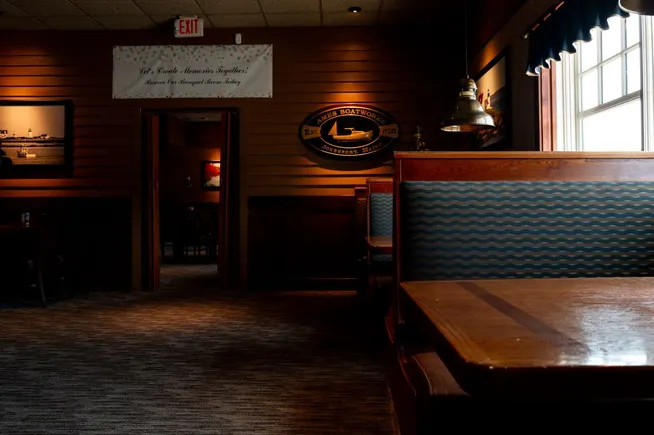
The U.S. restaurant industry has recently seen a wave of store closures involving well-known brands such as Wendy's, Pizza Hut, and Jack in the Box. Analysts believe this is not a short-term fluctuation but a structural adjustment driven by multiple factors, including market saturation, high costs, and weak customer traffic. Although the industry as a whole is still growing, the pace has slowed, with smaller chains under significant pressure, while large brands and the Sun Belt market still hold expansion potential.
Why are leading fast casuals primarily company owned?
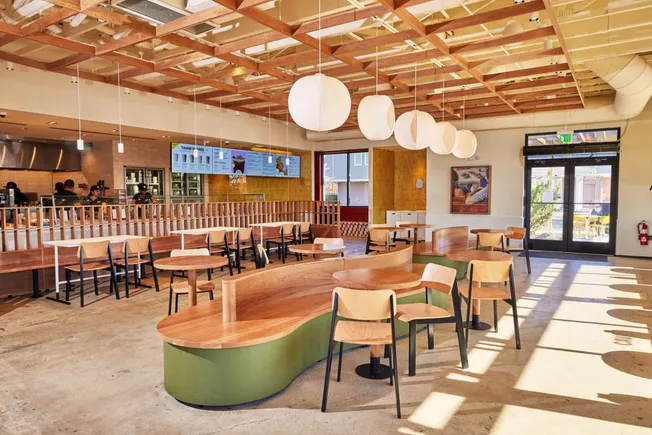
Leading fast-casual restaurant brands mostly adopt the company-owned model, while franchising dominates the QSR sector. Experts point out that the company-owned model offers advantages in capital acquisition, decision-making speed, operational control, and brand consistency, particularly in managing peak-hour operations, expanding new stores, and responding to market fluctuations. Although franchising enables rapid expansion, company-owned brands often achieve higher per-store revenue through economies of scale and refined operations, forming a virtuous development cycle.


‘Fear’ and ‘chaos’ threaten employers’ 2026 immigration plans
In early 2026, the speed and scale of U.S. immigration enforcement actions have stunned employers and their legal counsel. From ICE raids in Minneapolis to new H-1B visa regulations, businesses face unprecedented pressure in compliance, workforce management, and talent retention. This article summarizes lawyers' recommendations, enforcement developments, and industry impacts.

Was RaceTrac’s Potbelly deal an anomaly or the start of a new M&A trend?
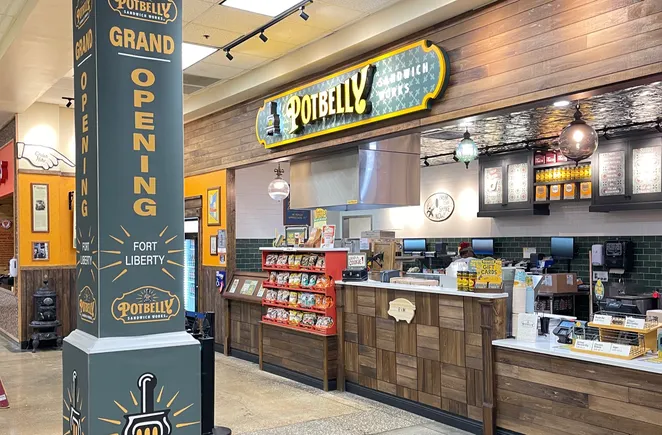
In late 2025, RaceTrac acquired Potbelly for $566 million, shaking up the convenience store industry. Experts are divided on whether this will trigger more convenience store acquisitions of fast-food brands. Supporters believe large regional players have the capital and motivation to follow suit, while cautious observers point to risks such as operational complexity and brand dilution, arguing that most companies are better suited to building in-house or forming partnerships.
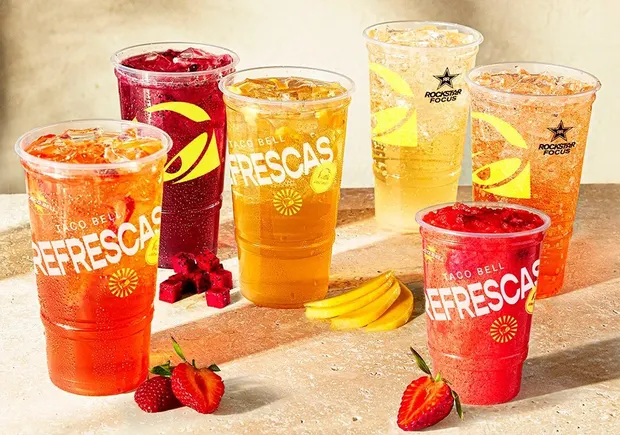
Drink up: Restaurants will spend more on beverage innovation in 2026
In 2026, investment in beverage innovation in the restaurant industry is expected to continue growing. Cold drinks, premiumization, energy drinks, and non-alcoholic beverages are key trends, with both QSR and full-service restaurants increasing their focus.
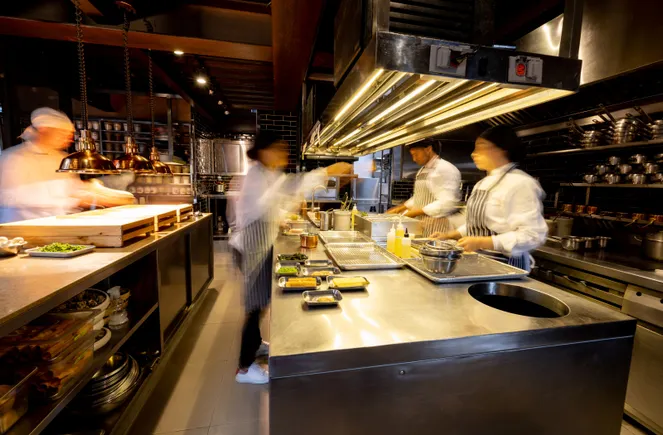
6 restaurant trends to watch in 2026
In 2026, the restaurant industry may face financial difficulties, with trade policies driving up costs and consumers tightening spending. BTIG analyst Peter Saleh predicts the industry will experience a "year of humility," with market leaders gaining share. Despite pressure on traffic and sales, experts point out that chicken and sauce innovation, health-conscious menus, a broader definition of value, and employee retention strategies may offer opportunities for a turnaround.